Catalinbread CB Paint Late 1900's Reverberator Pedal
One of the most lush and adaptable reverbs ever made, the Alesis Microverb is a late-1900s digital artifact, blurring the line between yesterday and yesteryear. We’ve painstakingly crafted some of that unit’s most memorable patches and outfitted them with several tasteful modern amenities. A nod to that era, we call this “CB Paint.” Much like the graphical equivalent it takes its namesake from, the Microverb wrested control of studio quality digital reverb and placed it in the hands of the everyperson. Because digital ‘verb was still an expensive undertaking in those days, Alesis had to cut a few corners to make everything fit both form factor and price point. Those cut corners present themselves as interesting reverb reflection filter options that exemplify this classic box without any of the pedalboard integration hassle. We’ve taken the liberty of outfitting our CB Paint with six of the more unique patches from the original Microverb, along with the gate and reverse patches, adding an actual Mix control, an adjustable low-pass filter and an “onset” control that determines how long it takes the reverb to appear after the initial input signal. We’ve had one of these around the offices for years and keep coming back to it. You will too.
CONTROLS
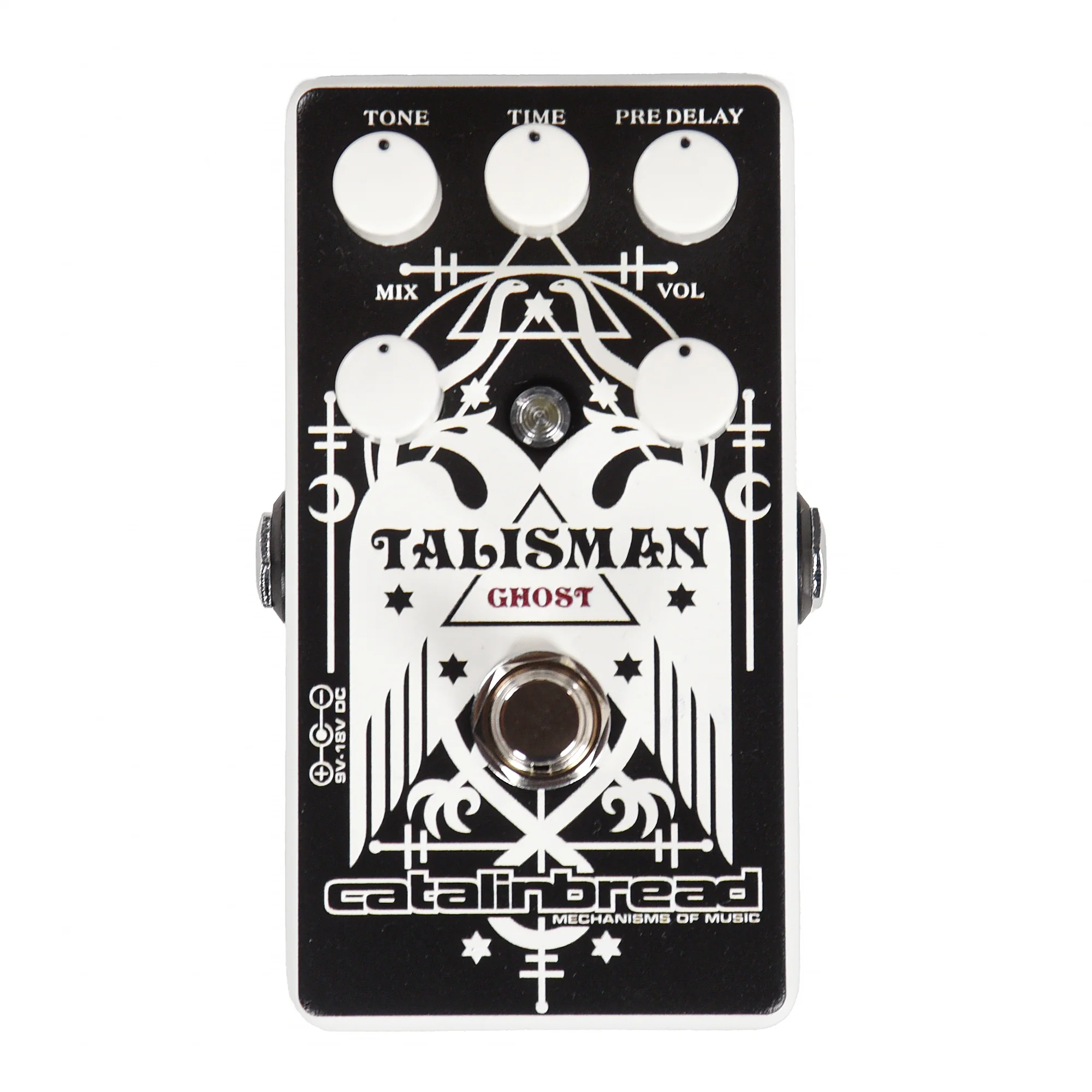
- TONE: Controls a 2-pole low-pass filter for softening high peaks, working just like a tone control. Up is bright, down is dark.
- MIX: This control dictates how much “dry signal” (whatever you feed into the CB Paint) is heard versus the “wet signal” (the sound of the CB Paint itself). At minimum, the only thing you will hear is whatever you run into the pedal. At maximum, you will hear just the reverberated signal.
- ONSET: Otherwise known as “pre-delay”, this controls how long the reverb kicks in after playing. At minimum, the CB Paint will operate like every other reverb—the sound is instantaneous. At maximum, the reverb takes ~200ms to kick in. In gate mode, Onset controls the gate time. In reverse mode, Onset controls how much smearing there is on the reverse sound to make it sit in the mix a little better.
- MODE: This knob is an 8-way switch that gives you 8 different reverb patches from the Microverb:
- Patches 1-6 are taken straight from the Microverb’s original patches, with the filtering and processing methods intact. The room size, and thusly the decay time, increase from 1 to 6, with 1 being the smallest and shortest, and 6 being the largest and longest.
- Patch 7 is the gate mode from the original Microverb. Gated reverb was invented just five years prior to the development of the Microverb and was a must-have sound in this era of music.
- Patch 8 is the reverse reverb patch from the Microverb. The Microverb’s processor functions in the same way as our platform, so the reverse patch is somewhat unique. Rather than read the signal in reverse, the Microverb uses math to reverse the signal by reducing the reverb state’s reflective properties. The result is a “rushing” sound that is somewhat unique to the Microverb.
Original: $209.99
-65%$209.99
$73.50Product Information
Product Information
Shipping & Returns
Shipping & Returns
Description
One of the most lush and adaptable reverbs ever made, the Alesis Microverb is a late-1900s digital artifact, blurring the line between yesterday and yesteryear. We’ve painstakingly crafted some of that unit’s most memorable patches and outfitted them with several tasteful modern amenities. A nod to that era, we call this “CB Paint.” Much like the graphical equivalent it takes its namesake from, the Microverb wrested control of studio quality digital reverb and placed it in the hands of the everyperson. Because digital ‘verb was still an expensive undertaking in those days, Alesis had to cut a few corners to make everything fit both form factor and price point. Those cut corners present themselves as interesting reverb reflection filter options that exemplify this classic box without any of the pedalboard integration hassle. We’ve taken the liberty of outfitting our CB Paint with six of the more unique patches from the original Microverb, along with the gate and reverse patches, adding an actual Mix control, an adjustable low-pass filter and an “onset” control that determines how long it takes the reverb to appear after the initial input signal. We’ve had one of these around the offices for years and keep coming back to it. You will too.
CONTROLS
- TONE: Controls a 2-pole low-pass filter for softening high peaks, working just like a tone control. Up is bright, down is dark.
- MIX: This control dictates how much “dry signal” (whatever you feed into the CB Paint) is heard versus the “wet signal” (the sound of the CB Paint itself). At minimum, the only thing you will hear is whatever you run into the pedal. At maximum, you will hear just the reverberated signal.
- ONSET: Otherwise known as “pre-delay”, this controls how long the reverb kicks in after playing. At minimum, the CB Paint will operate like every other reverb—the sound is instantaneous. At maximum, the reverb takes ~200ms to kick in. In gate mode, Onset controls the gate time. In reverse mode, Onset controls how much smearing there is on the reverse sound to make it sit in the mix a little better.
- MODE: This knob is an 8-way switch that gives you 8 different reverb patches from the Microverb:
- Patches 1-6 are taken straight from the Microverb’s original patches, with the filtering and processing methods intact. The room size, and thusly the decay time, increase from 1 to 6, with 1 being the smallest and shortest, and 6 being the largest and longest.
- Patch 7 is the gate mode from the original Microverb. Gated reverb was invented just five years prior to the development of the Microverb and was a must-have sound in this era of music.
- Patch 8 is the reverse reverb patch from the Microverb. The Microverb’s processor functions in the same way as our platform, so the reverse patch is somewhat unique. Rather than read the signal in reverse, the Microverb uses math to reverse the signal by reducing the reverb state’s reflective properties. The result is a “rushing” sound that is somewhat unique to the Microverb.